
Exploring the historical evolution of gambling practices through the ages
The Origins of Gambling
Gambling has a rich history that dates back to ancient civilizations. Evidence suggests that early forms of gambling were practiced in China as far back as 2300 BC, with rudimentary games involving dice and betting on outcomes. The use of chance in games was not limited to China; ancient Greeks and Romans also engaged in various forms of gambling, such as betting on chariot races and gladiatorial contests, which were integral parts of their culture. In this context, websites like ichill.ca are designed to enhance the experience of players seeking relaxation amidst their gambling activities.

These early gambling practices laid the groundwork for what would eventually evolve into more structured forms of betting. The influence of these ancient cultures is still visible in contemporary gambling, particularly in the emphasis on chance and strategy. As societies progressed, so too did the methods and venues where gambling took place, leading to a significant transformation in its social implications.
The Rise of Gambling in the Middle Ages
During the Middle Ages, gambling underwent a notable evolution, particularly in Europe. With the rise of the feudal system and the expansion of trade, games of chance became popular among the nobility and the merchant class. The introduction of card games, which are thought to have originated in China, began to take hold across Europe, leading to the establishment of early gaming houses.
This period also saw the emergence of laws regulating gambling activities. Various monarchs sought to control gambling, not just for taxation purposes but also to curb cheating and moral corruption. The combination of legal frameworks and the popularity of card games laid a solid foundation for modern casino culture, highlighting how societal values influence gambling practices over time.
The Birth of Modern Casinos
The 17th and 18th centuries marked a turning point in the gambling landscape with the establishment of modern casinos. The first official casino, the Casino di Venezia, opened its doors in Italy in 1638, setting a precedent for future gambling establishments. These venues were designed not only for gambling but also for socializing and entertainment, making them a central part of urban life.
As casinos began to flourish across Europe, they attracted a diverse clientele, from aristocrats to commoners. The luxurious environments, combined with an array of games, transformed gambling into a social event. This evolution was further propelled by innovations such as roulette and baccarat, which became staples in these establishments, enhancing the allure of casino gambling.
The Global Spread of Gambling Practices
The 19th century saw gambling practices spread globally, particularly through colonization and trade. The introduction of gambling in America is largely attributed to European settlers, who brought with them a range of games and betting practices. The Gold Rush of the 1840s led to a surge in gambling activities as prospectors sought fortune and excitement.
As societies adapted to gambling, new forms emerged, including lotteries and sports betting. The establishment of regulations and the eventual legalization of casinos in various states in the U.S. further transformed the landscape. This period illustrated the complex relationship between culture, law, and gambling, showcasing how societal acceptance can lead to the flourishing of gambling practices.
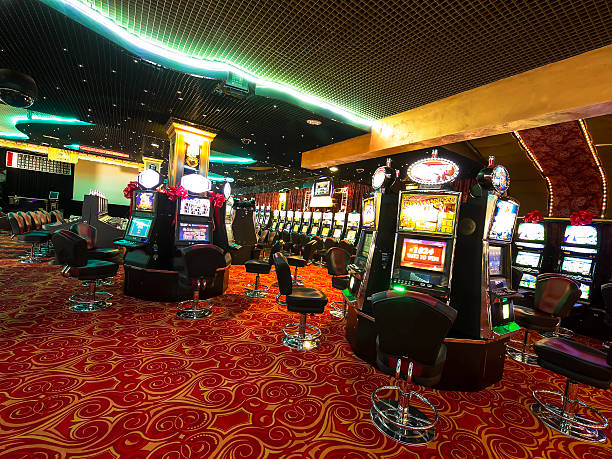
Contemporary Gambling and Wellness
In today’s digital age, the evolution of gambling has taken on new dimensions with the advent of online casinos and mobile gaming. This shift has made gambling more accessible than ever, attracting a younger demographic and reshaping traditional perceptions. While the convenience of online gambling offers entertainment, it also raises concerns about addiction and responsible gaming.
Wellness resources have started to address these issues, emphasizing the importance of balanced gambling practices. Websites dedicated to wellness, like ichill.ca, aim to promote a holistic approach to self-care, encouraging users to engage mindfully with gambling and recreational activities. By fostering awareness and providing resources, these platforms play a vital role in helping individuals navigate the complexities of modern gambling culture.